Biohacking is a term that’s becoming more common, but it can still sound mysterious. At its core, biohacking is about understanding how to help the body work smarter and stronger, live longer in optimal health, and reflect that vitality from the inside out — both mentally and physically. It’s about recognising how exercise, nutrition, sleep, and mindset influence our health, energy, appearance, and longevity — and then using that knowledge to make deliberate, science-backed improvements. Some people use advanced technology or supplements, but the real goal is simple: to feel and perform at our best, for as long as possible, in the best condition we can achieve.
On October 25 and 26 at the Royal Pines Resort on the Gold Coast, I attended the inaugural Wellspring Biohack Summit — one of the first major events of its kind in Australia. The summit brought together some of the most recognised voices in the field — including Dave Asprey, Dr David Sinclair, Dr Gabrielle Lyon, Dr Will Cole, Wim Hof, Kayla Barnes, and many, many others — alongside a large audience of highly engaged attendees: doctors, scientists, health coaches, and fitness professionals all focused on the future of human health and longevity. The message was clear — living longer means little unless we’re living well. True longevity is about healthspan: staying strong, sharp, and vibrant through every stage of life.
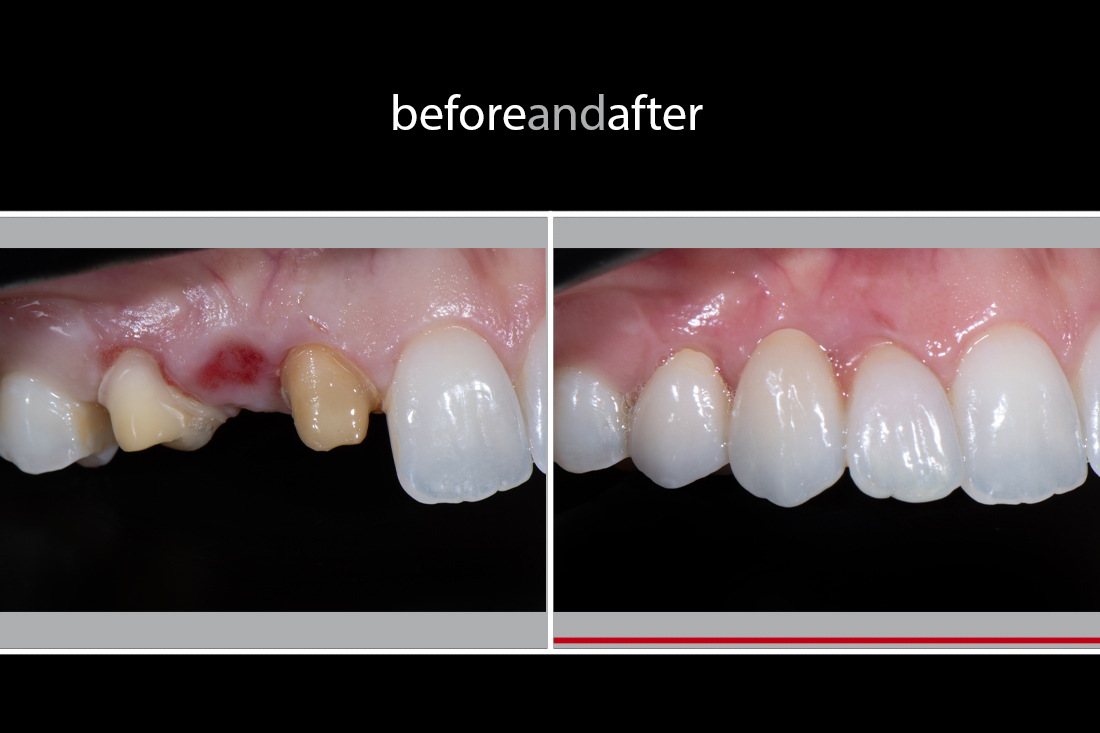
This idea connects closely with my own work — not only as part of my lifestyle but also through my expertise in smile design, where my focus lies. I’ve always believed that a healthy, confident smile is not merely cosmetic; it’s a reflection of inner health and balance. That belief has led me to develop a new approach I call Bio-Aesthetic Dentistry™ — a philosophy that unites advanced aesthetic dentistry with the principles of health, longevity, and lifestyle.
While many discussions at the summit focused on supplements, devices, and performance enhancers, what stood out most to me (that aligns with my core belief) was something far simpler: our everyday choices still matter the most — as some speakers put it, “Do things that love you back.” How we move, what we eat, how we rest, and how we connect with others remain the true foundations of wellbeing.
In this reflection, I’ll share what I learned from the event through my empirical interdisciplinary perspective, exploring four key pillars — 1. Physical Movement and Exercise, 2. Diet and Nutrition, 3. Sleep, and 4. Quality of Life — the same principles that form the foundation of Bio-Aesthetic Dentistry, where health and aesthetics converge.
1. Physical Movement and Exercise — The Foundation of Functional Beauty: Longevity begins with motion — where strength, structure, and discipline shape both body and mind.
One of the most powerful themes from the Wellspring Biohack Summit came from Dr Gabrielle Lyon, whose concept of muscle-centric medicine reframes the entire conversation about health and longevity. Her message was simple but profound: muscle is the organ of longevity. Rather than treating muscle as an aesthetic pursuit or a by-product of youth, Lyon positions it as a vital system — one that regulates metabolism, supports immunity, and slows nearly every marker of ageing. In her words, “We don’t die of age — we die of muscle loss.”
This truth resonates deeply with what I’ve observed personally and professionally. At 47 years of age, I’m often told that I look at least a decade younger — sometimes more. This isn’t luck or genetics; it’s the result of consistency, structure, and self-discipline. My transformation was even featured in Men’s Health Australia, highlighting how routine resistance training and lifestyle design can redefine not only physique but mindset. The challenge, however, isn’t knowledge — most people already know what they need to do. The real difficulty lies in habit formation — integrating sustainable routines into daily life. Without structure, even the best intentions fade, and without measurable systems, progress stalls.
Data-driven accountability was a recurring theme at the event, strongly supported by many of the presenters, including Kayla Barnes, and sponsors. I was surprised to see how many attendees had undergone DNA or epigenetic testing — yet, interestingly, many didn’t appear as fit as their data might suggest they could be. For me, data is valuable only when used wisely: as a tool to maintain consistency, build awareness, and refine how we live and move. Wearable devices like Fitbit or WHOOP serve this purpose well — providing evidence, not excuses. They allow us to measure what matters, but it’s our interpretation and action that count.
The simplest, most underrated form of movement is walking. Science consistently supports it as one of the most effective and sustainable forms of daily exercise — improving cardiovascular health, circulation, blood sugar regulation, and mental clarity, while reducing systemic inflammation and stress hormones. Best of all, it costs nothing. There are no barriers or memberships required to walk with intention. Even being conscious of not being sedentary throughout the day adds up. Small efforts compound quietly into significant benefits, while inactivity compounds just as quickly into fatigue and disease. The choice, as always, is ours.
From the lens of Bio-Aesthetic Dentistry™, this pillar of movement holds remarkable relevance. Exercise improves circulation and oxygenation, reduces systemic inflammation, and enhances tissue healing — all of which directly influence oral health and facial aesthetics. Patients who maintain regular training often exhibit healthier gums, faster recovery after dental treatment, and naturally more balanced facial contours. Beyond physiology, they also tend to have a higher dental IQ — a deeper appreciation for what natural aesthetics truly represent. Their disciplined mindset extends beyond the body to how they perceive beauty itself: logically, proportionally, and in harmony with their own values. In that sense, physical discipline mirrors aesthetic discipline — both require awareness, incremental effort, and long-term consistency.
In future, Bio-Aesthetic Dentistry™ may include personalised guidance on movement and recovery — helping patients not only achieve a beautiful smile, but sustain the biological foundation that keeps it timeless. As Dr Lyon reminded the audience, muscle isn’t just strength — it’s medicine.
2. Nutrition and Diet — Building from the Inside Out: Protein, balance, and awareness — fuelling cellular health for strength, clarity, and aesthetic harmony.
If movement is the external foundation of vitality, then nutrition is the internal architecture that sustains it.
Over the years, the focus of diet culture has shifted — from the fat-reduction era of the past to today’s growing recognition of the importance of protein intake. Among the most compelling advocates of this evolution is again, Dr Gabrielle Lyon, whose muscle-centric medicine highlights that maintaining muscle isn’t just about aesthetics but longevity itself. Protein is the essential building block for cellular repair, immune resilience, and metabolic stability. It fuels muscle growth, supports hormone function, and, most importantly, preserves the physiological youth that keeps us moving and thinking clearly.
Complementing this, Siggi Clavien emphasised the liver’s central role as the bridge between nutrition and muscle health. A well-functioning liver processes nutrients efficiently, supports detoxification, and regulates hormones — all vital for maintaining lean mass and energy balance. Meanwhile, Dr Will Cole explored another hidden ecosystem: the microbiome, the diverse community of gut bacteria now known to influence mood, immunity, and inflammation. His message echoed a growing truth in medicine — the gut and the brain are in constant conversation, and when either is neglected, both physical and mental wellbeing decline.
For me, this pillar connects directly to practice and experience. I monitor my own macros meticulously to align with physical goals, and I’ve found that a protein-centric diet provides the most reliable structure for longevity and performance. Once protein needs are met, the choice between low-carb, ketogenic, Mediterranean, or even plant-based models becomes a matter of preference and metabolic individuality. The key is not dogma but awareness — knowing what your body needs and responding intelligently to it.
From the perspective of Bio-Aesthetic Dentistry™, the nutritional pillar is an overlooked yet critical part of the aesthetic process. The condition of the mouth — from gum health to tissue healing — reflects systemic nutrition. Deficiencies slow recovery, while inflammation and sugar dysregulation compromise long-term outcomes. Yet there remains a practical gap in dentistry today: patients undergoing smile makeovers or whitening procedures are rarely guided nutritionally. During the temporary phase of a smile transformation, they are often advised to avoid certain foods or “eat white,” but are given no structured, nutritious alternatives. This is where the next evolution must occur — in creating evidence-based, smile-safe nutritional products that support both recovery and aesthetics. It’s a space I intend to explore deeply under the umbrella of Bio-Aesthetic Dentistry™, where beauty begins not in the mirror, but in metabolism.
3. Sleep and Recovery — The Silent Sculptor of Health: Where restoration becomes refinement — quality over quantity in the pursuit of true vitality.
If movement and nutrition are the builders of health, sleep is its sculptor — refining, restoring, and recalibrating the body each night. Among the most memorable sessions at the summit was Olivia Arezzolo’s lecture on sleep optimisation, which reframed rest not as a passive state but as a deliberate practice of recovery. Her approach underscored that quality sleep enhances everything else — mental clarity, hormonal balance, emotional resilience, and physical repair. In her words, “Your day doesn’t start when you wake up — it starts the night before.”
For me, this topic resonates on a personal level because sleep has always been my weakest pillar. I’m a natural short sleeper, often functioning on around five hours a night. Rather than trying to force longer rest, I’ve learned to focus on optimising quality — ensuring that the sleep I do get is deep, restorative, and aligned with my circadian rhythm. Through my own experience, I’ve come to believe that Pillars 1 and 2 — movement and nutrition — profoundly shape the quality of sleep. Consistent exercise supports better melatonin cycles and stress regulation, while balanced nutrition stabilises blood sugar and prevents the late-night cortisol spikes that keep so many people awake. Sleep, in that sense, is not an isolated event; it’s the cumulative reflection of how we live throughout the day.
Interestingly, several of the summit’s most notable speakers — including Dave Asprey — echoed the idea that not everyone can afford to sleep the recommended seven to eight hours each night. Many of these individuals are pioneers in their fields, balancing demanding workloads and high expectations, and I could personally relate to that. In such cases, chasing the idealised “norm” can become counterproductive. What matters more is how efficiently our bodies recover during the time we do rest. Sleep quality must therefore be individualised — an adaptive, personal practice rather than a rigid metric. The key is to learn to speak the language of our own body and mind, identifying what truly restores us rather than conforming to averages. For natural short sleepers like myself, the goal is not more hours, but smarter hours — creating the conditions for deeper, more effective rest.
Poor sleep, as discussed across several sessions, is not just a health issue — it’s an aesthetic one. Chronic sleep deprivation elevates inflammation, accelerates collagen breakdown, and contributes to fluid retention and facial puffiness. It dulls the skin, tightens the jaw muscles, and reduces oxygenation in the soft tissues — all subtle yet visible signs of imbalance. From a Bio-Aesthetic Dentistry™ perspective, this extends to the oral and facial systems: clenching and grinding are often linked to poor sleep quality and stress regulation, while conditions such as sleep apnoea have direct implications for jaw structure, airway space, and long-term facial symmetry. Understanding these links opens new opportunities for dental professionals — not only to treat the functional aspects of sleep-related disorders but to integrate them into the broader pursuit of aesthetic and systemic wellbeing.
Ultimately, sleep is the quiet multiplier of every effort we make. It is during rest that muscles rebuild, neurotransmitters reset, and the face — quite literally — restores its vitality. For those of us who demand a lot from our bodies and minds, quality sleep is not a luxury but a biological necessity. Within the framework of Bio-Aesthetic Dentistry™, it represents the invisible artistry behind every visible outcome — the nightly restoration that sustains both health and beauty.
4. Quality of Life and Connection — The Expression of Inner Balance: From stress to strength, solitude to connection — cultivating purpose, resilience, and the art of living well.
While movement, nutrition, and sleep form the biological foundations of longevity, quality of life gives it meaning. It’s the layer that transforms discipline into fulfilment — where health becomes more than maintenance, and aesthetics becomes a form of expression. This pillar is deeply personal, built on individual choices, values, and reflections. It’s not about achieving a universal definition of balance but finding the version that sustains you.
One of the most thought-provoking sessions at the Wellspring Biohack Summit was by Jeff Krasno, whose work on Good Stress challenged the conventional fear of pressure and discomfort. He argued that the goal isn’t to eliminate stress but to harness it — to use manageable doses of challenge as a stimulus for growth, resilience, and creativity. This concept, known as hormesis, connects directly with the philosophies of other speakers such as Wim Hof, who advocates for cold therapy, and those who championed infrared sauna and red-light therapy. Whether it’s exposure to heat, cold, or temporary strain, the idea remains the same: by confronting controlled discomfort, we teach the body to adapt and the mind to stay grounded. The true luxury of longevity isn’t comfort — it’s adaptability.
Adding an equally important internal dimension, Dave Asprey reminded us that health is not only physical — it’s energetic and psychological. In his book Heavily Meditated, he describes meditation as the ultimate performance enhancer: a way to regulate the nervous system, reduce inflammatory stress, and cultivate awareness. Many attendees at the summit discussed how mindfulness and breathwork practices complement their biohacking routines, turning technology-driven optimisation into something more human. Meditation, in this context, becomes the bridge between biology and consciousness — aligning the mind with the same precision we seek in the body.
Another key voice, Dr David Sinclair, provided the scientific backbone to this conversation — the pursuit of healthspan over lifespan. His research reframes ageing as a process that can be slowed or reversed through metabolic, environmental, and behavioural interventions. What resonated most from meeting him personally was his focus on quality rather than duration. A long life means little if vitality and cognition fade early. His work embodies the same philosophy I hold: healthspan is not about adding years, but about adding life to the years we already have.
Equally important, and discussed throughout the summit, was the role of social connection and engagement. Despite living in a hyper-connected digital world, genuine human interaction has become rare — yet it remains one of the strongest predictors of wellbeing and longevity. Connection doesn’t have to look the same for everyone. For some, it means family or community; for others, like myself, it comes through purpose-driven work and creative pursuit. My life is balanced through focus — devoting energy to my profession and studies, without the traditional structures of romance or family. From the outside, my lifestyle might appear extreme, but for me, it represents equilibrium — clarity of purpose without distraction, and contribution through mastery.
This is where Bio-Aesthetic Dentistry™ finds its ultimate resonance. My role as a smile designer is not simply to restore teeth — it’s to restore confidence. Every patient I treat is striving, in their own way, to reconnect with the world — to be seen, valued, and expressive again. A confident smile is a bridge between the individual and society, between self-perception and participation. When someone learns to love their reflection, they re-enter life with new openness. That’s the true power of aesthetics — it isn’t superficial; it’s social. It enables connection, and connection enhances health.
In essence, the first three pillars — movement, nutrition, and sleep — sustain the body. But this fourth pillar, quality of life and connection, sustains the spirit. It’s where longevity meets purpose, and where aesthetics becomes embodiment. It’s also why I invest so deeply in my own evolution — physically, intellectually, and professionally — because the better I become, the more meaning I can help others find in their own reflection.
Closing Reflection — Healthspan Over Lifespan
The Wellspring Biohack Summit brought together some of the most recognised voices in longevity and human optimisation. From Dr David Sinclair’s pioneering research on ageing to Dave Asprey’s work on inner regulation and Wim Hof’s mastery of controlled stress, the event offered a glimpse into the future of health and performance. Yet, what stood out to me most was not the technology, supplements, or theories — it was the realisation that the fundamentals still matter most.
Many people came seeking breakthroughs — the next pill, peptide, or device that might promise youth in a bottle. But even the most advanced science cannot override the simple truth: the body is designed to thrive when we move well, eat well, and recover well. Pillars 1 and 2 — movement and nutrition — remain the essential architecture of healthspan. Without them, no biohacking protocol can compensate. Sleep, though often imperfect and difficult to master, is the third cornerstone that binds them — the quiet recovery that makes progress possible.
The fourth pillar — quality of life and connection — represents the refinement layer, where longevity transcends biology and becomes meaning. This is where the philosophies of Sinclair, Asprey, Hof, and Krasno converge: the pursuit of inner balance, awareness, and adaptability. But these are not shortcuts; they are amplifiers. They deepen what we build through daily discipline. True longevity doesn’t come from a capsule or a chamber — it comes from consistency, consciousness, and contribution.
That same philosophy lies at the heart of Bio-Aesthetic Dentistry™. My work is grounded in the same principles that define healthspan: movement, nutrition, recovery, and alignment — expressed through the art of the smile. A smile is not simply cosmetic; it reflects inner vitality, confidence, and harmony. My role as a dental professional is to help patients see themselves not as static portraits but as living systems — adaptable, expressive, and connected.
Ultimately, the message of Wellspring was clear: while innovation will continue to evolve, the timeless disciplines still define the difference between longevity and vitality. We don’t need more magic; we need more mastery. And that mastery begins in how we live — how we move, how we nourish, how we rest, and how we connect. This, to me, is the true meaning of healthspan over lifespan — and the guiding principle behind Bio-Aesthetic Dentistry™, where science, art, and embodiment come together to express not just beauty, but life itself.